





You've probably seen "Epsom salt" on a pharmacy shelf. Same compound, different name. It's called magnesium sulphate everywhere else, and it quietly runs through fertilizer plants, feed mills, pharma labs, and textile units across the country. Unglamorous? Sure. Essential? Also yes.
If you're sourcing it for your business, though, "Epsom salt" isn't enough to go on. Grade specs are what actually separate a reliable magnesium sulphate manufacturer from one that leaves you short on a shipment right when you need it most. That's what this blog covers.
The Real Story on Magnesium Sulfate
Remove the branding and it’s just a simple inorganic salt made up of magnesium, sulfur and oxygen. MgSO₄, if you want the formula. There are three main forms: anhydrous, monohydrate and heptahydrate. The last is the well known Epsom salt version, MgSO₄·7H₂O, CAS 7487-88-9. WHITE Crystal. Dissolves in water without much of a fuss.
Not every batch is made with the same care, though. A well-made one starts with a controlled reaction between magnesium oxide (or magnesite) and sulphuric acid. Then purification. Crystallization. Drying. Rush any of those steps, and purity drifts off spec, which is the whole reason batch testing exists in the first place.
Magnesium Sulphate Grades at a Glance
Same compound, four different jobs.
| Grade | Standard / Purity | Typically Used For |
| Pharma (USP/BP) | ~98–99% | Medicinal preparations, electrolyte therapy, laxative formulations |
| Feed | ~98–99% | Livestock and poultry diets, correcting magnesium deficiency |
| Fertilizer | Technical | Soil amendment, correcting magnesium and sulphur shortfalls |
| Industrial / Technical | Technical | Textiles, paper, ceramics, detergent manufacturing |
Magnesium content runs around 9.8% in the heptahydrate form across these grades. Can't tell you straight which one you're getting? Walk away. Can't back it up with paperwork? Walk away faster.
Where It Actually Shows Up
Picture three buyers on the same day: a feed mill blending a monthly batch, a textile unit finishing a dye lot, a fertilizer plant fixing a magnesium-deficient field. Same base compound, entirely different reasons for buying it.
Agriculture is the obvious use. It corrects nutrient deficiencies and improves chlorophyll formation, and crops like potatoes, tomatoes, and peppers respond well whether it's worked into soil or sprayed on foliage.
Less obvious? Textiles. Dye houses use it as a mordant and process stabilizer so color actually bonds during finishing, instead of washing out three cycles later. Paper mills fold it into sizing and coating formulations. Pharma goes well beyond the laxative most people know, into electrolyte replacement and certain injectable preparations. Feed producers reach for it because deficiency hits metabolic function fast, and nobody wants that showing up in a herd's output numbers. General industrial chemistry uses it as a reagent and catalyst in detergents, ceramics, and pigments.
Six industries, one compound. Not bad for something you can also toss in a bathtub.
Specs and Packaging Checklist
Before you commit to a supplier, get this on paper, not just a sales pitch:
- Assay and purity range
- Mesh size
- Appearance (white crystalline powder or granules)
- Moisture content and insoluble matter
- Melting/decomposition behavior — hydrated forms lose water around 150°C, which affects how the product behaves in your process
- Packaging: 25 kg or 50 kg HDPE bags, or bulk for larger orders
- Minimum order quantity and lead time
Skip the packaging question and you'll regret it. Magnesium sulphate is hygroscopic, so a poorly sealed bag turns into a clumped, unusable mess long before it reaches you.
What to Check Before Choosing a Supplier
Five questions, asked upfront, separate a dependable magnesium sulphate supplier India buyers can actually rely on from one that just talks well:
- Does every batch get tested for composition and consistency?
- Is documentation, COA and MSDS, genuinely available, not just promised over email?
- Does the supplier run ISO-aligned quality systems and support REACH compliance where it applies?
- Can they handle your volume without delays creeping into your production schedule?
- What happens if a batch fails your own QC, is there a process for that, or silence?
Price matters, sure. But a cheaper drum that shows up with inconsistent purity usually costs more in the end. Count the wasted batch. Count the failed quality check. It adds up fast.
Why Veeransh Chemicals for Your Magnesium Sulphate Sourcing
Magnesium sulphate looks simple on paper. Getting the right grade, purity, and packaging consistently, order after order? That's where most sourcing headaches actually start. Veeransh Chemicals leading Magnesium Sulphate Manufacturer India, manufactures it across pharma, feed, fertilizer, and industrial grades. Every shipment comes with batch-tested purity, ISO-aligned quality systems, and full COA and MSDS documentation.
Evaluating suppliers for your next order? Get in touch with Veeransh Chemicals for current specifications, packaging options, and a quotation. Call 70168 55746 or email Sales@veeranshchemicals.com.
FAQs
What is magnesium sulphate used for?
Agriculture, pharmaceuticals, animal feed, textiles, paper processing, industrial manufacturing. Mostly as a magnesium and sulphur source, or a process aid.
What's the difference between the anhydrous, monohydrate, and heptahydrate forms?
Water content, mainly. Heptahydrate is the most common commercial form. Anhydrous and monohydrate step in when a process needs less moisture.
Is magnesium sulphate safe to handle?
Under standard industrial conditions, yes. Cool, dry, away from moisture, that's really all it takes to stop it clumping or losing purity.
What purity should I expect from a bulk supplier?
Typically 98 to 99% for pharma and industrial grades. Ask for a certificate of analysis on your specific batch. Don't take a supplier's word for it.
How is magnesium sulphate priced for bulk orders?
Grade, volume, packaging, destination, all of it factors in. The only reliable way to compare suppliers is to get a quote against your exact specs.
About the Author
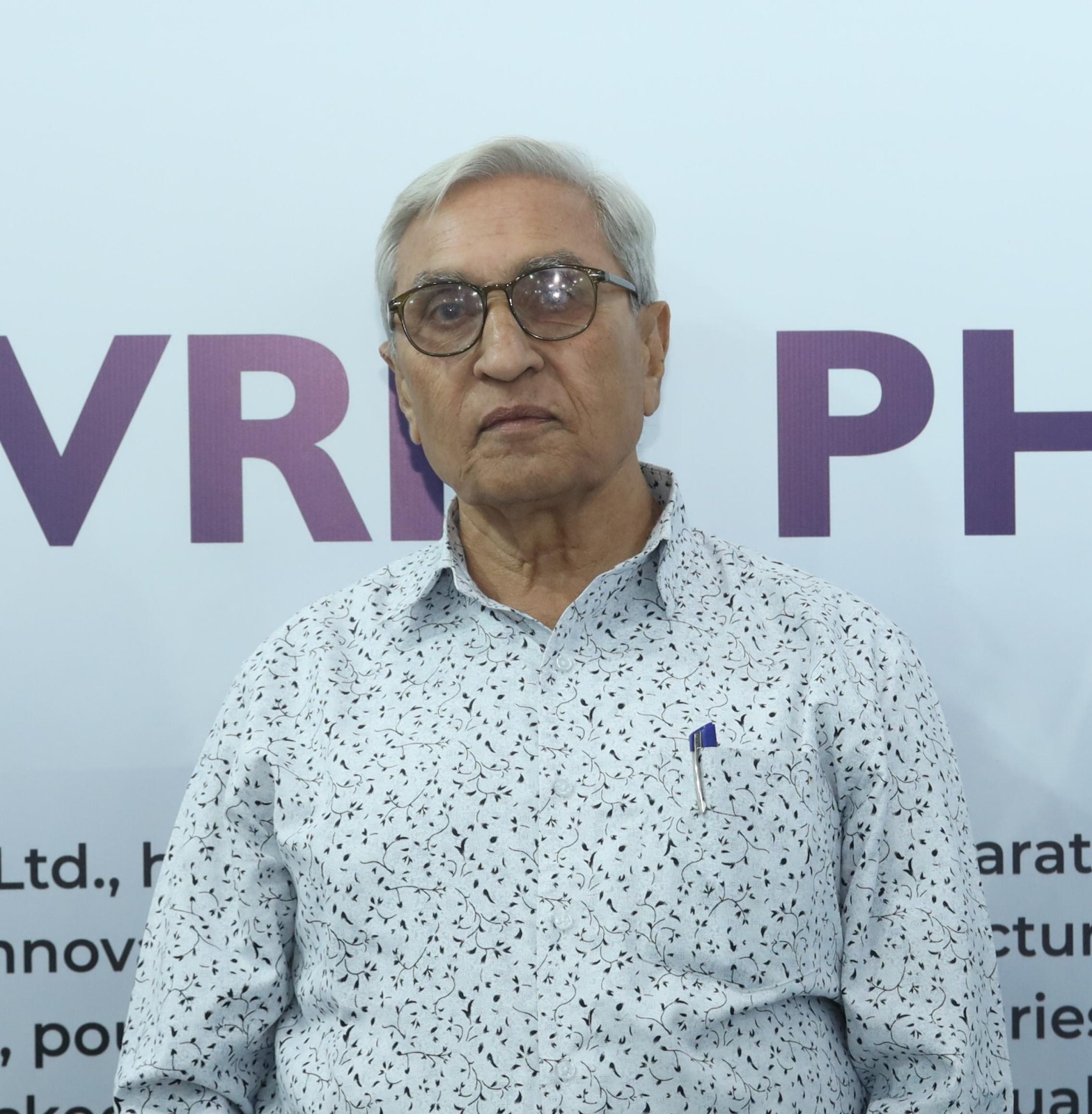
Dipak Yagnik
Director
Dipakkumar Hariprasad Yagnik is a chemical industry professional and Director with 20+ years of experience in chemical trading, supply, and manufacturing. He started his business career in 2004 and established Parth Industries in 2006, starting with chemical trading and supply. Over the years, he has gained strong experience in the chemical industry, including chemical sourcing, trading, supply, and manufacturing. He later expanded his business journey with the establishment of Vrik Pharma in 2024 and Veeransh Chemicals in 2025. He holds a B.Sc. degree and currently works as a Director, providing business leadership and industry knowledge across his businesses. His experience and practical knowledge of the chemical industry continue to support the growth of the organizations he leads.
View LinkedIn Profile