





Honestly, most people have never heard of zinc chloride, and that's fine. Mention it to someone who's soldered a pipe or run a galvanizing line, though, and watch their face change. They know it by feel. Zinc chloride, ZnCl₂ if you're reading a datasheet, quietly doing its job across a surprising number of industries most buyers never think about.
Buying it for your business is a different story than knowing what it is. You need grades, purity ranges, and a straight answer to one question: what separates a reliable zinc chloride manufacturer from one that ships an inconsistent drum and calls it a day? That's the ground this guide covers.
What Is Zinc Chloride?
Strip it down and it's an inorganic salt of zinc and chlorine. ZnCl₂. CAS 7646-85-7. White, crystalline, deliquescent enough that storage genuinely matters, 136.30 g/mol, melting point 283–290°C, density around 2.91 g/cm³.
Batch quality? Not guaranteed. A well-made one comes from controlled reaction chemistry, tight impurity control, consistent crystallization, in that order. Skip a step and you get something technically labeled "zinc chloride" that behaves unpredictably once it hits your process, which is the entire reason batch testing exists.
Zinc Chloride Grades at a Glance
Same compound, several very different end uses.
| Grade | Purity / Standard | Typically Used For |
| Pharmaceutical | 97.0–100.5% (USP/BP/Ph. Eur.) | Pharmaceutical formulations, analytical work |
| Analytical | High purity, low insolubles | Lab research, reagent applications |
| Reagent | Controlled impurity profile | Chemical synthesis, catalysis |
| Technical | Industrial standard | Galvanizing, soldering fluxes, metal treatment |
Insoluble matter runs at or below 0.005% in properly made batches. Ask for that number. If a supplier hesitates, that tells you something.
Where It Actually Shows Up
Picture a galvanizing line, a battery plant, and a drilling rig, all running on the same base chemical for entirely different reasons.
Metal treatment, the classic one: aggressively dissolves metal oxides during soldering, welding, and galvanizing, the reason clean, strong metal-to-metal bonds happen at all.
Batteries, less obvious: it's the electrolyte in zinc-carbon and heavy-duty cells. No steady ion transport, no working battery.
Water treatment? Inhibits rust, clarifies water, keeps scale buildup in check. Oil and gas turns it into a high-density completion fluid for stabilizing deep wells. And textiles use it for mercerizing cotton and crimping wool, better dye retention, stiffer fabric, the works.
Five industries. One compound doing the heavy lifting in each.
Specs and Packaging Checklist
Get this on paper. Not a verbal assurance, actual numbers:
- Purity range and grade (pharma, analytical, reagent, or technical)
- Insoluble matter (properly made batches sit at ≤0.005%)
- Appearance and moisture behavior — it's deliquescent, so packaging integrity matters more than usual
- Melting point and density, if your process is temperature-sensitive
- Packaging: 25 kg or 50 kg HDPE laminated bags
- Minimum order quantity and lead time
Storage matters here more than with most industrial salts, tightly closed containers, cool, dry, well-ventilated. Leave it exposed and it starts pulling moisture within hours, not days.
What to Check Before Choosing a Supplier
Five questions, asked before you sign off on an order, separate a dependable zinc chloride supplier India buyers can actually count on:
- Does every batch get tested for purity and insoluble matter?
- Is documentation, COA and MSDS, available on request, not just promised?
- Can they supply the specific grade your process needs, pharma versus technical isn't interchangeable?
- Do they package for moisture control, or just ship it in whatever's on hand?
- Can they support your volume consistently, order after order?
Price matters, sure. But a cheap drum that arrives off-spec? Count the reprocessing, the delays, the scrapped batch. It's rarely actually cheaper.
FAQs
What is zinc chloride used for? Soldering. Galvanizing. Battery electrolytes. Water treatment, drilling fluids, textile processing, take your pick. Mostly as a flux, electrolyte, or reagent.
What grades of zinc chloride are available? Four: pharma, analytical, reagent, technical. Purity and end use decide which one's right for you.
Is zinc chloride safe to handle? Yes, under standard industrial conditions. It's corrosive concentrated, though, so skip the casual storage, keep it sealed, dry, ventilated.
What purity should I expect from a bulk supplier? 97.0–100.5% for pharma-grade, typically, against USP/BP/Ph. Eur. standards. Get a certificate of analysis on your actual batch, not a generic spec sheet.
How is zinc chloride priced for bulk orders? Grade, volume, packaging, destination, it all factors in. Skip comparing list prices; get quotes against your exact specs instead.
Why Choose Veeransh Chemicals as Your Zinc Chloride Supplier
Zinc chloride sounds simple. Until you're the one depending on consistent purity, batch after batch, for a process with zero room for surprises. Veeransh Chemicals manufactures it across pharmaceutical, analytical, reagent, and technical grades. Low impurity levels, export-compliant packaging, full documentation, on every shipment.
Evaluating suppliers for your next order? Reach out to Veeransh Chemicals Zinc Chloride Manufacturer current specifications, packaging options, and a quotation. Call 70168 55746 or email Sales@veeranshchemicals.com.
About the Author
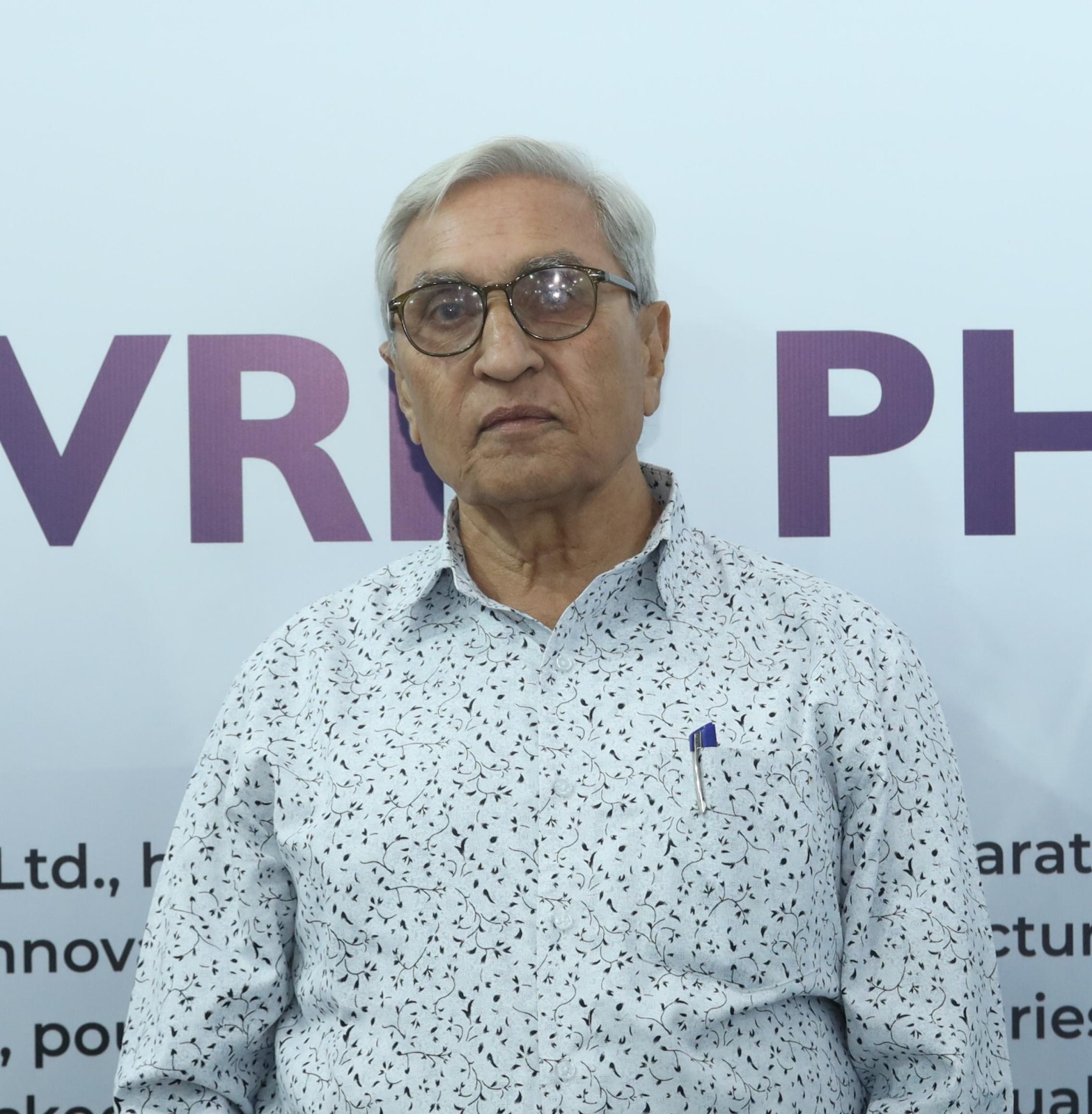
Dipak Yagnik
Director
Dipakkumar Hariprasad Yagnik is a chemical industry professional and Director with 20+ years of experience in chemical trading, supply, and manufacturing. He started his business career in 2004 and established Parth Industries in 2006, starting with chemical trading and supply. Over the years, he has gained strong experience in the chemical industry, including chemical sourcing, trading, supply, and manufacturing. He later expanded his business journey with the establishment of Vrik Pharma in 2024 and Veeransh Chemicals in 2025. He holds a B.Sc. degree and currently works as a Director, providing business leadership and industry knowledge across his businesses. His experience and practical knowledge of the chemical industry continue to support the growth of the organizations he leads.
View LinkedIn Profile